Static Disc Bead Mill
-
Video
-
-
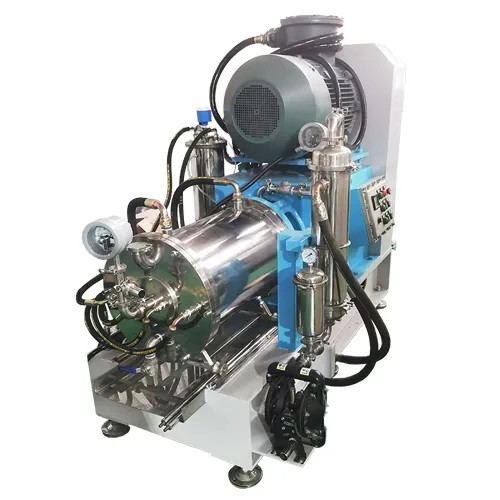
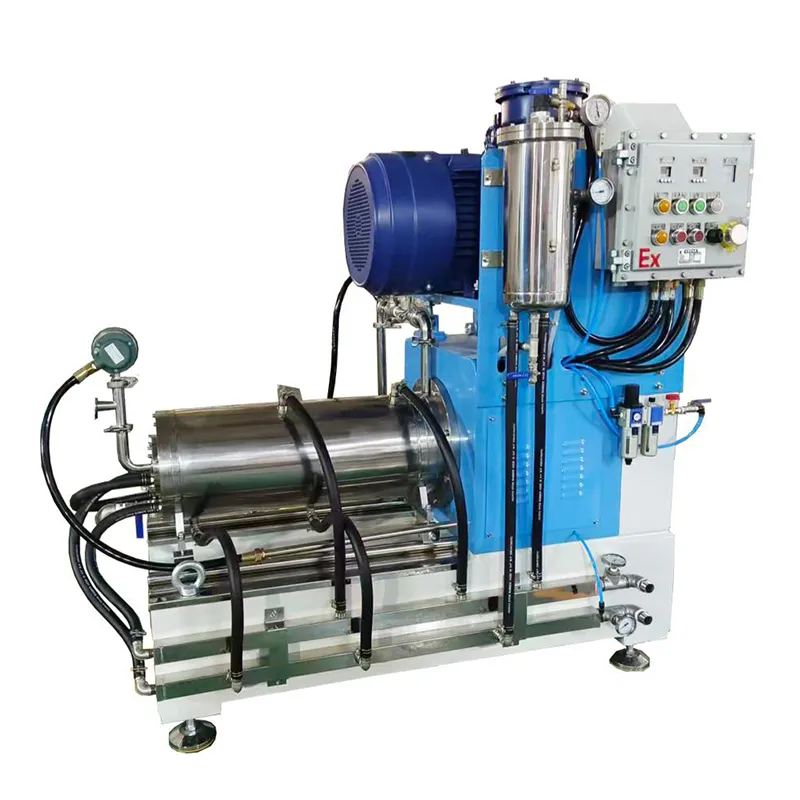
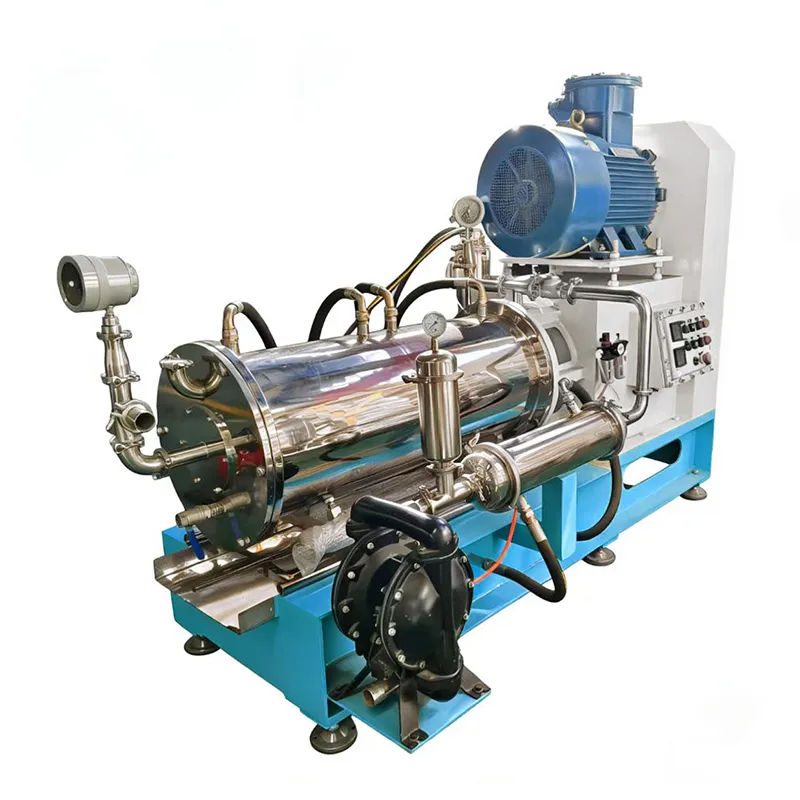
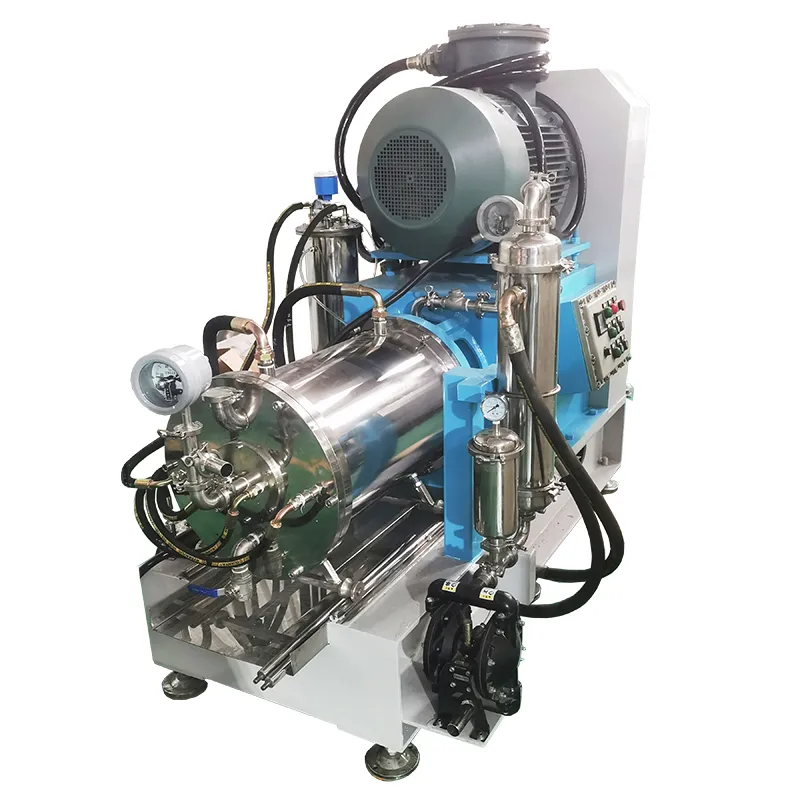
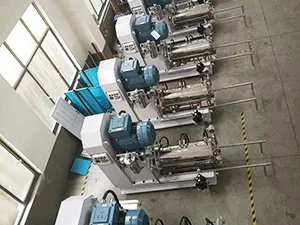
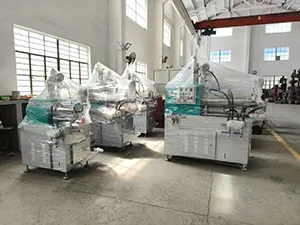
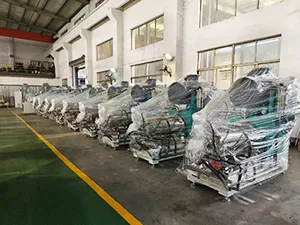
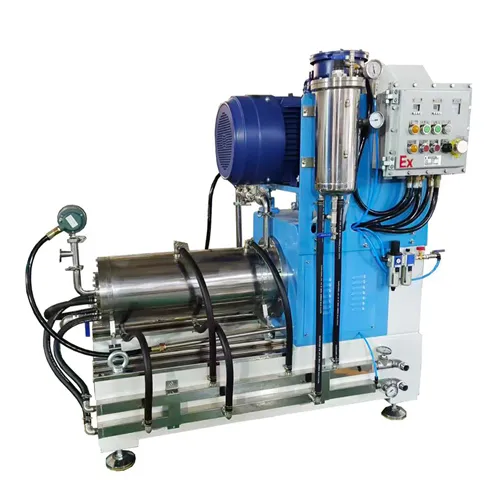
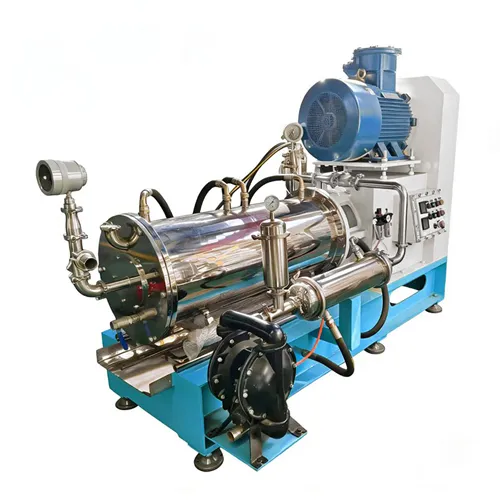
Static disc bead mills are used for ultrafine wet grinding and dispersion of liquid, slurry, and paste-like materials. The main working section includes a grinding chamber filled with zirconia beads or other grinding media, together with a set of high-speed rotating discs. As the material flows through the grinding chamber, the rotating discs keep the grinding media moving through the product. Repeated contact between the media and the material creates shear, impact, and compression, which break down particle clusters and help the mixture become finer and more evenly dispersed. During discharge, a mesh or gap-type separator lets the ground material pass through while keeping the grinding media inside the chamber, so the mill can run continuously without bead loss.
| Model | Working Volume (L) | Motor Power (kW) | Production Capacity (L/h) | Cooling Water Flow (L/h) |
| 5 | 7.5 | 100–200 | 500 | |
| 15 | 15 | 200–500 | 500 | |
| 30 | 30 | 500–1000 | 1000 | |
| 60 | 37/45 | 800–2000 | 2000 | |
| 100 | 55 | 1000–3000 | 2500 | |
| 150 | 75 | 2000–5000 | 3000 | |
| 300 | 90/110 | 3000–6000 | 5000 |
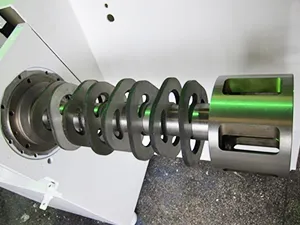 Tungsten Carbide Discs
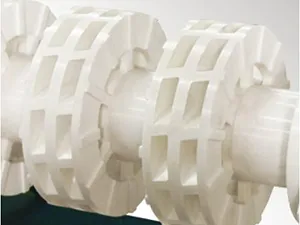 Ceramic Discs
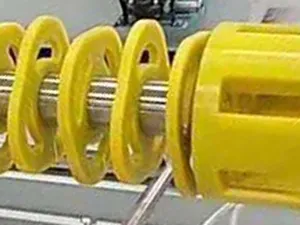 PU Discs
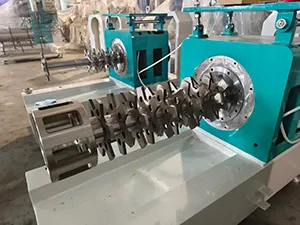 Disc Grinding System
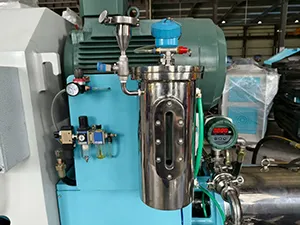 Sealed Cooling Tank
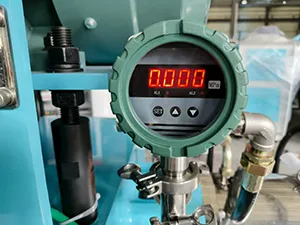 Digital Pressure Meter
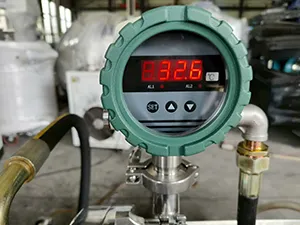 Digital Temperature Meter
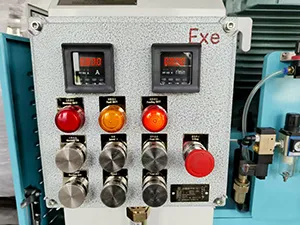 Explosion-Proof Control Panel
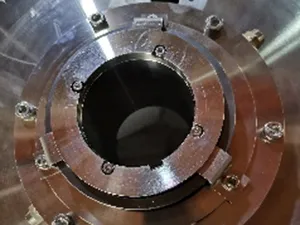 Double Mechanical Seal
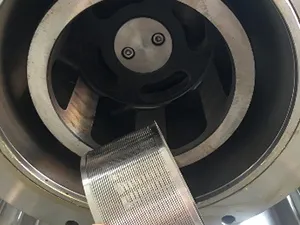 Separation Screen
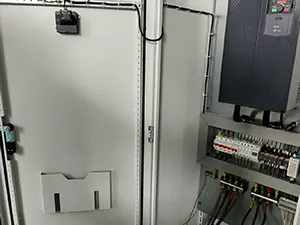 Control Cabinet with Inverter
 Zirconium Bead Separation System
Static disc bead mills are suitable for wet grinding and dispersion of liquid, slurry, paste-like, and powder-liquid formulations. They are used when the material requires finer particle size, stable dispersion, and controlled discharge, making them suitable for paints, coatings, inks, pigments, color pastes, pesticides, cosmetics, and other chemical formulations.
 Paints and Coatings
 Leather Coatings
 Inks
Inks Pesticides and Fertilizers
 Viscous Materials
 Cosmetics
 Chemicals
 New Materials
- Adjustable Grinding Gap
The gap between the grinding disc and the stator can be adjusted according to the material, required fineness, and process conditions, giving operators better control over grinding intensity and material residence time. - Fine Dispersion Capability
Static disc bead mills can process materials to submicron or nanoscale fineness under suitable operating conditions. A more controlled particle size distribution helps improve product stability in formulations such as inks, coatings, pigments, and color pastes. - Controlled Grinding Temperature
A high-flow cooling system and efficient heat exchange design help control temperature rise during grinding. Better temperature control is important for heat-sensitive materials and can help keep dispersion quality more stable. - Adaptability for Different Viscosities
Medium to high-viscosity slurries can move through the grinding chamber more smoothly because of the channel structure, reducing blockage risk during continuous processing. - Efficient Operation
Material moves more evenly through the grinding chamber thanks to the optimized flow design, which improves grinding efficiency and reduces unnecessary energy use during production.
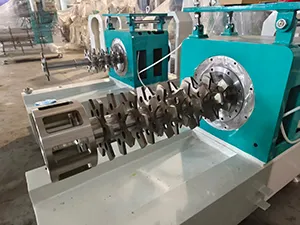
The modified disc structure creates stronger impact and grinding action inside the chamber, improving grinding efficiency and helping the material reach a finer particle size, depending on the formulation and process settings.

Better temperature control during grinding helps protect the material, keep dispersion quality consistent, and improve color strength, transparency, and pigment use in inks, coatings, color pastes, and other pigment-based products.
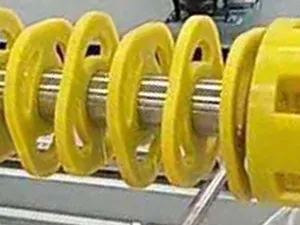
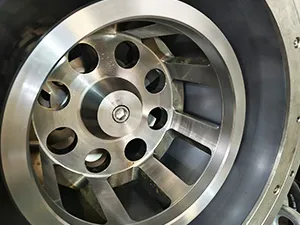
The grinding chamber and discs can be made with different materials to match the product being processed, such as silicon carbide, tungsten carbide, zirconia, polyurethane, or high wear-resistant alloy steel.
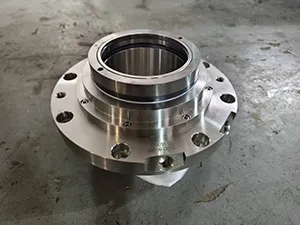
The bead mill uses a double mechanical seal with an integrated self-circulation structure to reduce leakage risk and make maintenance more convenient. FFKM sealing rings, such as DuPont Kalrez, can be selected for better solvent resistance. Mechanical seal coolant should be compatible with the processed material, with options such as ethylene glycol (EG), isopropanol (IPA), ethyl acetate (EAC), or butyl acetate (BAC), depending on the formulation.
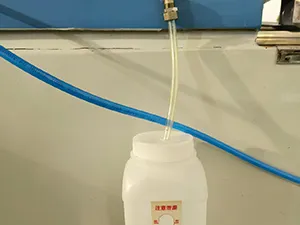
Equipped with a small collection tank is installed at the bottom of the bead mill to receive any liquid leakage from the mechanical seal area, which makes it easier to check the seal condition and take preventive action when needed.
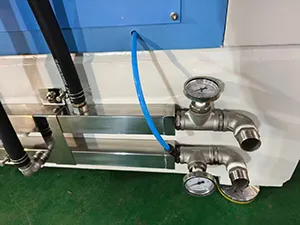
The cooling water inlet and outlet are fitted with meters, making it easier to monitor temperature during production and keep the grinding process stable.
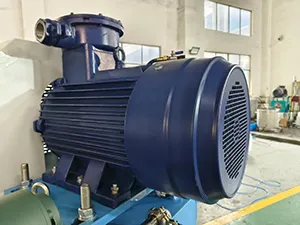
There are different motor options that can be selected according to production and safety requirements, including Jiangsu Dazhong, Siemens, ABB, and other suitable brands. Explosion-proof motors and certifications such as CE or ATEX can also be provided when required by the project.
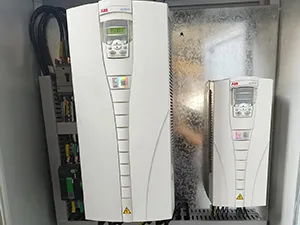
Siemens or ABB inverters and Schneider Electric components can be used to support stable speed control and smoother operation during grinding and dispersion.