
Paint and Coating Production Line
-
Video
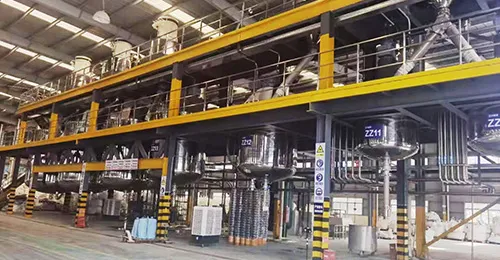
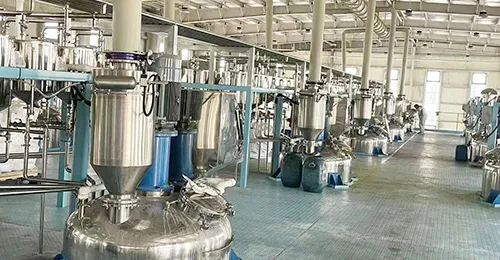
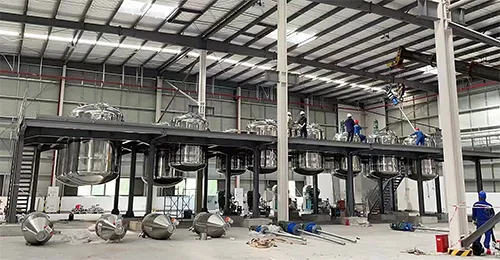
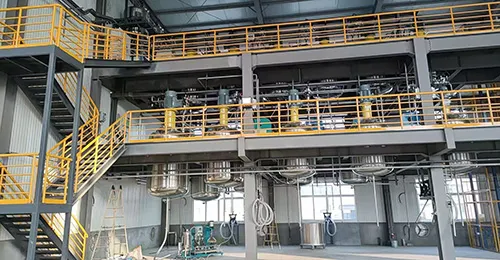
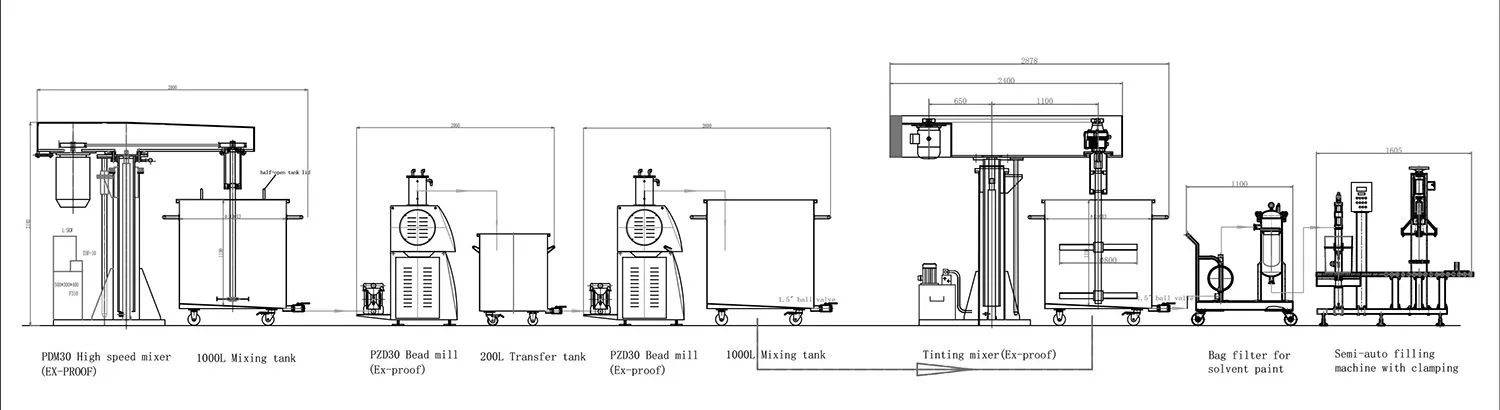
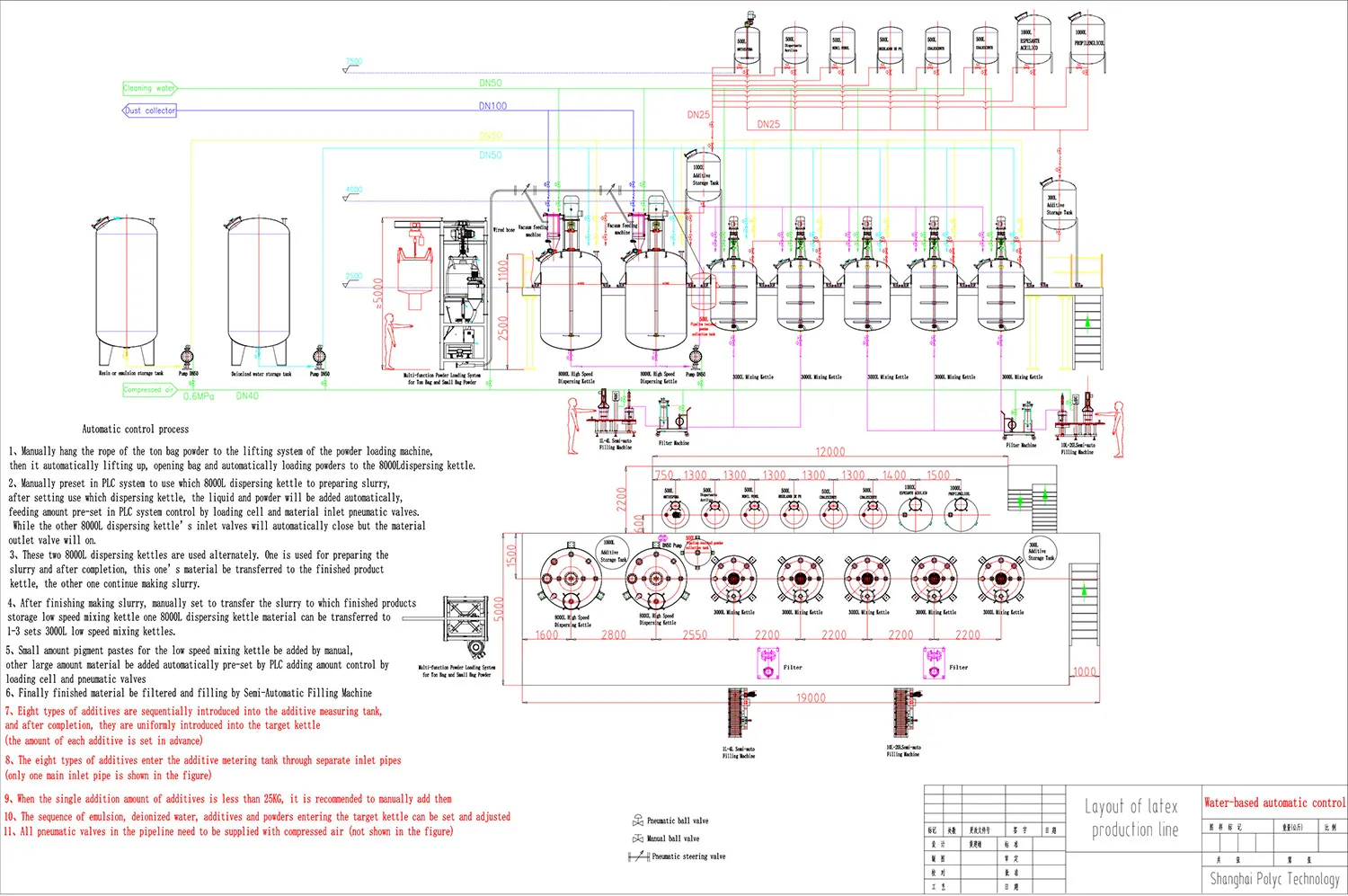
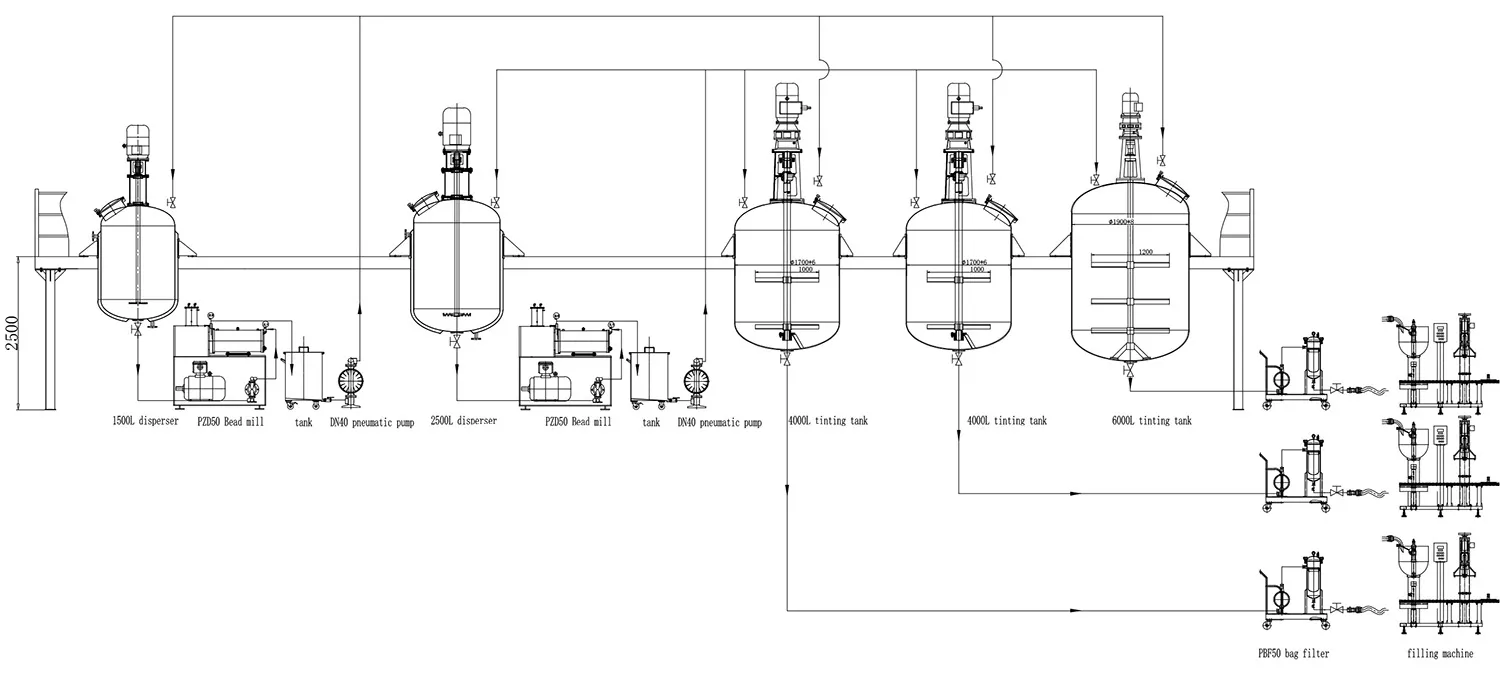
The paint and coating production line is a complete system that connects all key processing stages from raw material handling to finished product packaging. It integrates powder and liquid transfer, metering and batching, high-speed dispersion, fine grinding, homogenization, filtration, and automated filling into a coordinated process.
Through modular design, individual equipment is combined into a unified system, allowing the entire production flow to be carried out within one line. This setup supports consistent product quality while improving efficiency and reducing manual handling. It is widely used in automotive coatings, industrial coatings, architectural paints, water-based coatings, and ink production, supporting large-scale and automated manufacturing.
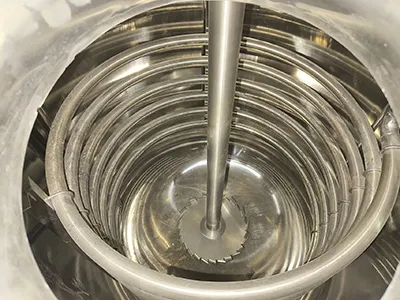 Pre Mixing System
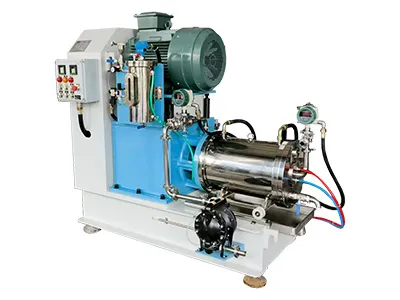 Grinding Mill
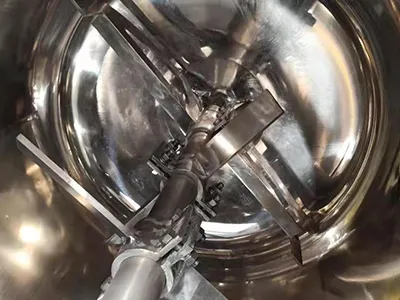 Let Down Mixing System
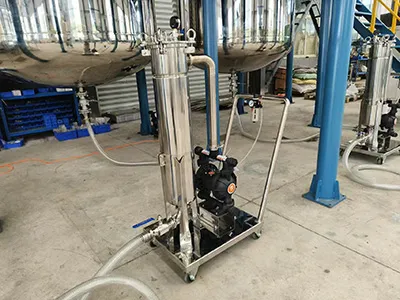 Filtering & Filling System
- Integrated process design
Combines feeding, dispersion, grinding, cooling, mixing, filtration, and filling within one system, reducing material transfer steps and minimizing contamination risk. - Modular configuration
Storage, dispersion, grinding, mixing, and filling systems can be configured based on production capacity and process requirements, allowing flexibility for different product types. - Automated operation
Equipped with PLC control and HMI interface to manage batching, process control, valve operation, and formula storage, reducing manual intervention. - Flexible production capacity
Production capacity can be configured according to requirements, typically ranging from 1,000 to 100,000 tons per year. Small-scale lines are within 2,000 tons, medium-scale around 10,000 tons, and large-scale systems can reach 100,000 tons or higher. - Safety-focused design
Explosion-proof configurations, temperature monitoring, and safety interlocks can be integrated to support operation in environments handling flammable solvents.
Complete process solution
The production line covers all key stages, including:
Integrated automation system
Electrical and auxiliary systems use PLC and touch screen control to coordinate the entire line, including support systems such as operating platforms, cooling units, dust collection, and cleaning systems.