
Putty Production Line
-
Video
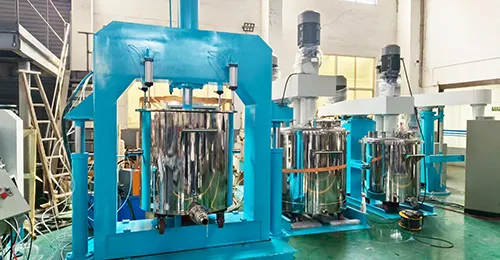
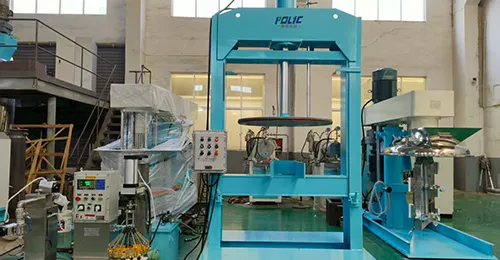
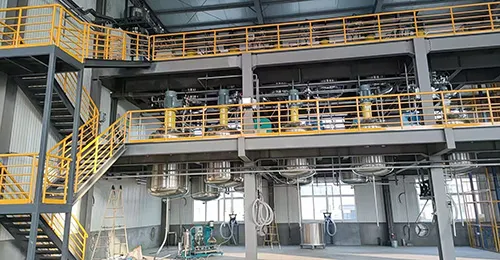
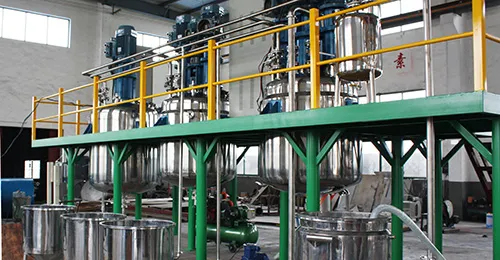
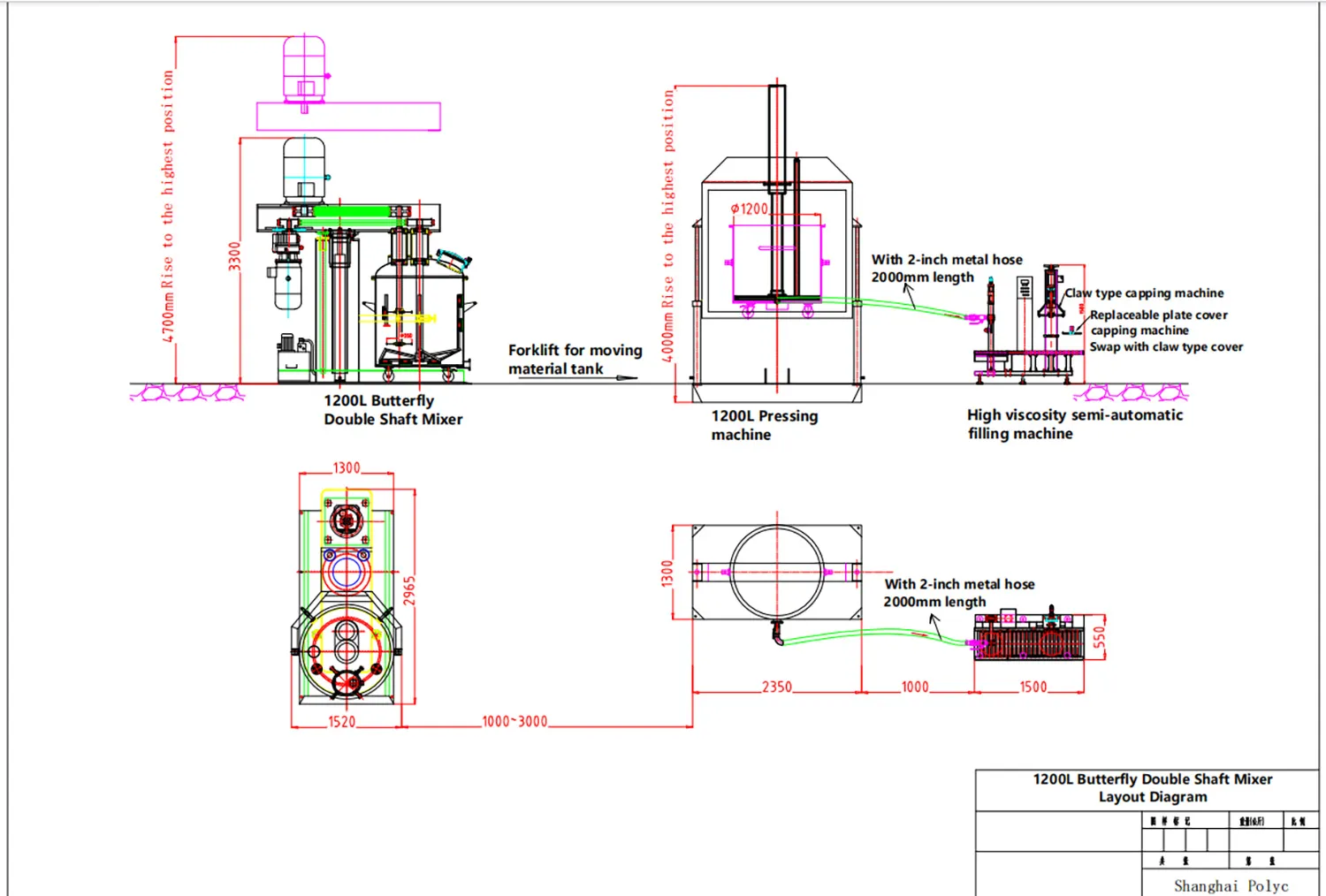
The putty production line is designed for automated processing of high-viscosity paste materials such as wall putty and automotive putty. It integrates mixing, dispersion, vacuum processing, discharge, and filling into a closed system to complete the full production flow from raw materials to finished products.
The system typically uses dual-shaft mixers or multi-shaft mixers to handle high-dense, high-solid-content and poorly-flowing materials. Functional modules such as automatic powder and liquid batching, vacuum defoaming, strong dispersion, extrusion pressing, and automated filling are combined to support continuous and stable production. It is widely used in building materials, automotive repair products, and industrial coating applications.
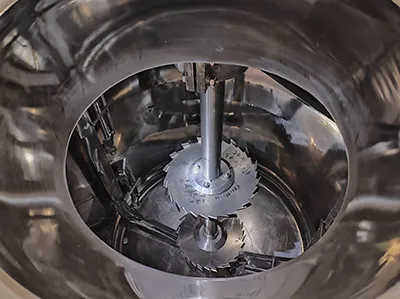
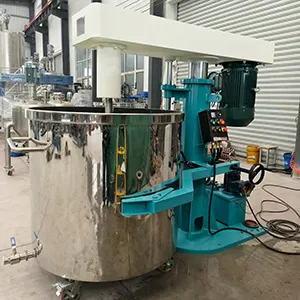 High speed disperser
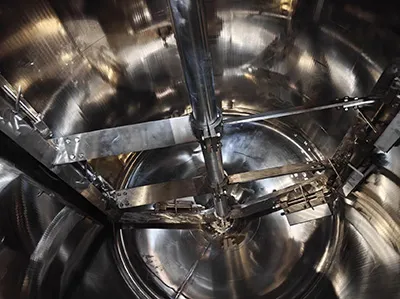
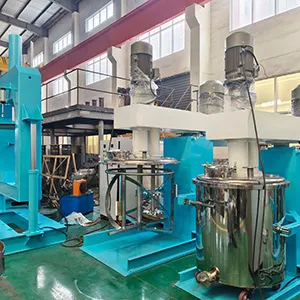 Butterfly double shaft mixer
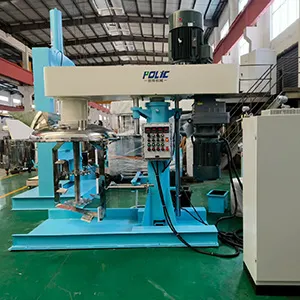 Concentric double shaft mixer
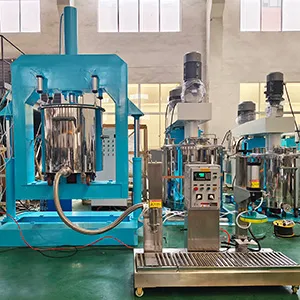 Pressing machine & filling machine
- Adapted for high-viscosity materials
Equipped with dual-shaft mixers or multi-shaft mixers, capable of handling paste materials with viscosity up to 200,000–250,000 cP, ensuring uniform mixing. - Enclosed production process
The system operates in a sealed environment to reduce material exposure, control evaporation, and improve working conditions. - Flexible production capacity
Production lines can be designed from 1,000 to 100,000 tons per year, with customization based on production scale and process requirements.
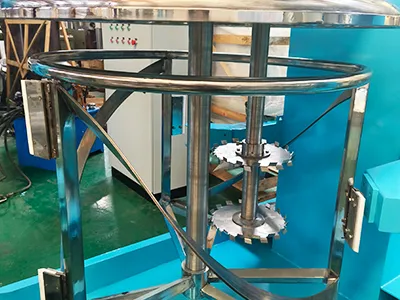
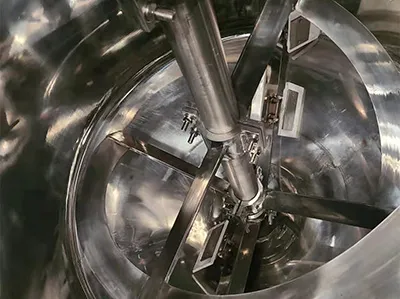
Helical blades
Helical blades are ideal for putty production based on extensive field experience. Customization options are also available.
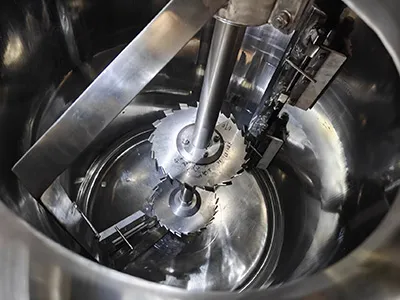
Combined dispersion and wall scraping
Mixing elements are designed to provide strong kneading and dispersion while continuously removing material from the vessel wall to prevent buildup.
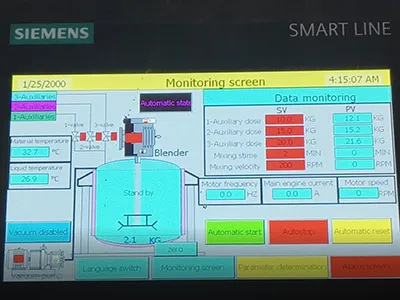
Centralized control system
Uses PLC and touch screen interface for monitoring and managing batching, mixing, discharge, and filling processes.
Complete process configuration
The production line includes:
Integrated automation system
PLC and touch screen control systems manage the entire line, including auxiliary units such as platforms, cooling systems, dust collection, and cleaning systems.