Dynamic Disc Bead Mill
-
Video
-
-
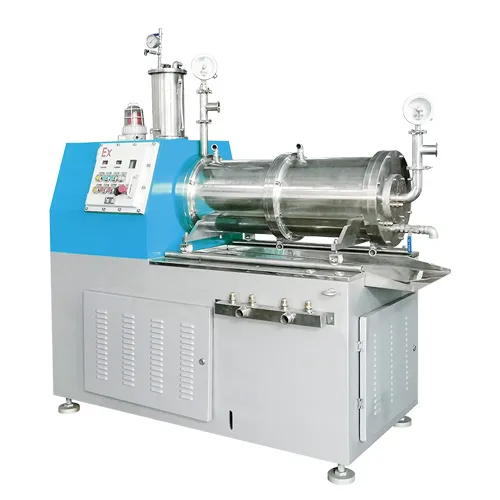
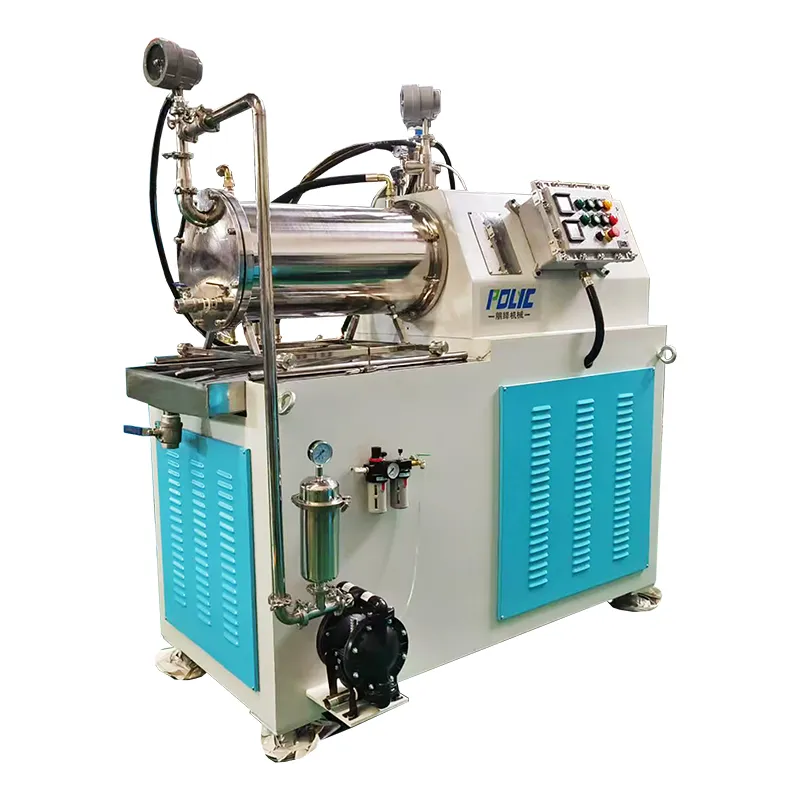
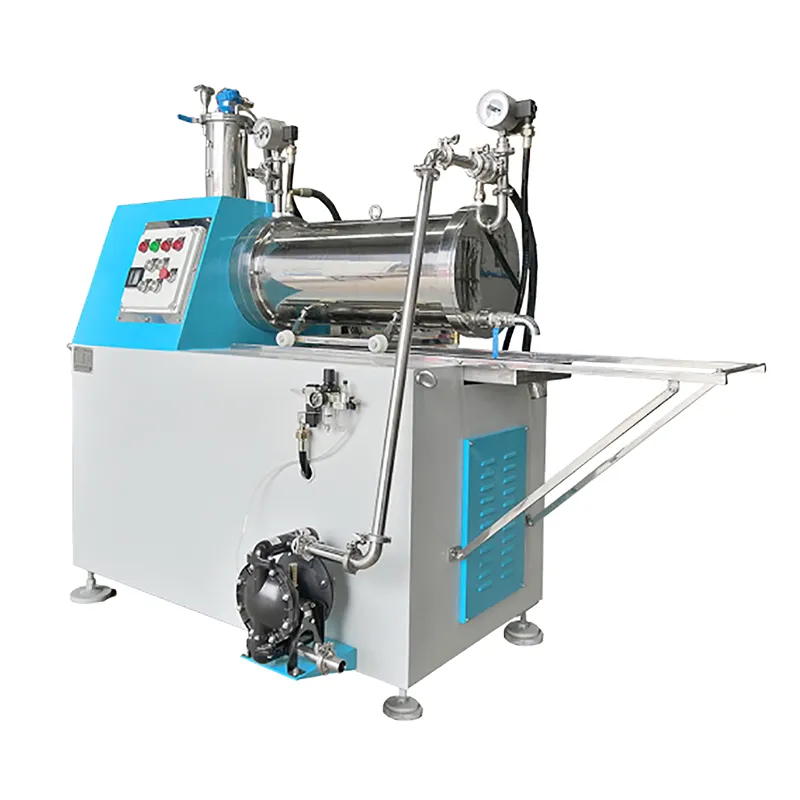
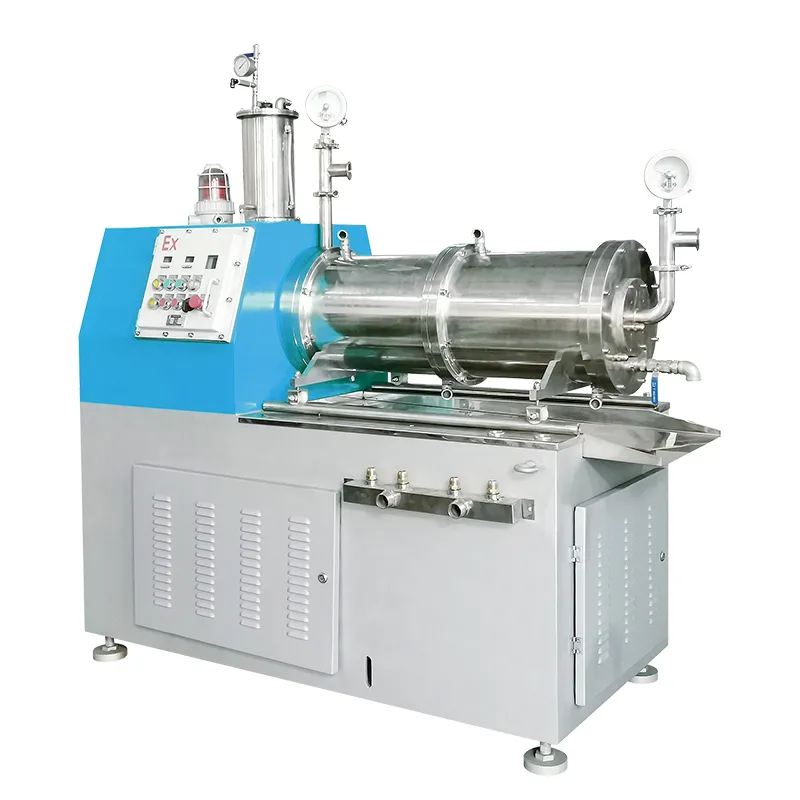
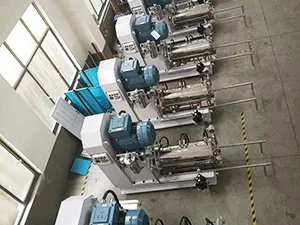
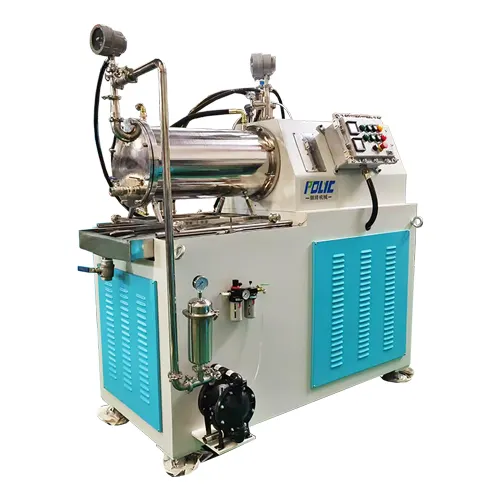
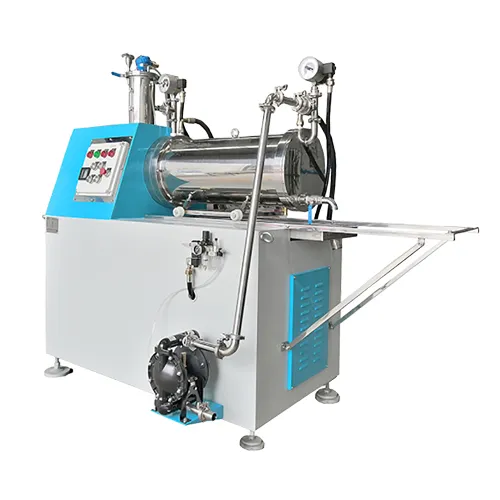
Dynamic disc bead mills are designed to carry out ultrafine wet grinding and dispersion when a material needs very fine particles and a stable final structure. The main working area combines high-speed spinning discs with an adjustable grinding chamber, where the grinding gap can be matched to the material and process target. Greater control over the gap helps operators adjust particle reduction, material flow, and final dispersion according to the formulation. During the grinding operation, the discs drive the grinding media through the product and create repeated shear and impact, gradually reducing particle size and breaking down agglomerates. When compared to simpler grinding structures, dynamic disc bead mills give operators more flexibility during production, especially when the material needs to be ground very finely while keeping the dispersion uniform and the process stable.
| Model | Working Volume (L) | Motor Power (kW) | Production Capacity (L/h) | Cooling Water Flow (L/h) |
| 5 | 5.5 | 50–200 | 500 | |
| 20 | 15 | 100–300 | 1000 | |
| 30 | 22 | 200–500 | 1000 | |
| 50 | 30 | 500–1000 | 1500 | |
| 100 | 55 | 800–2000 | 2000 |
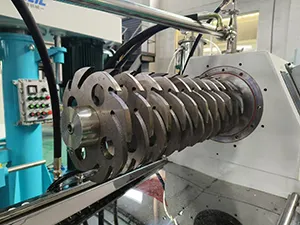 Disc Grinding System
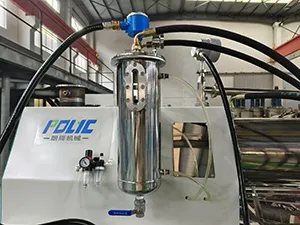 Sealed Cooling Tank
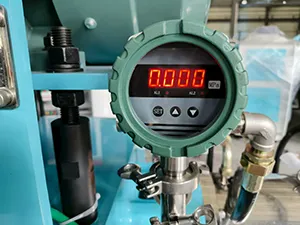 Digital Pressure Meter
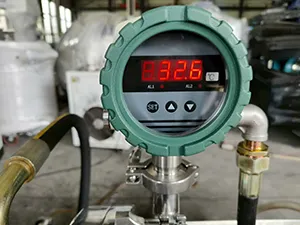 Digital Temperature Meter
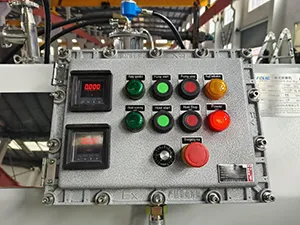 Explosion-Proof Control Panel
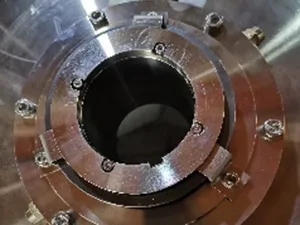 Double Mechanical Seal
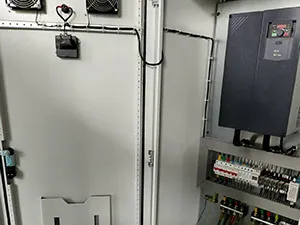 Control Cabinet with Inverter
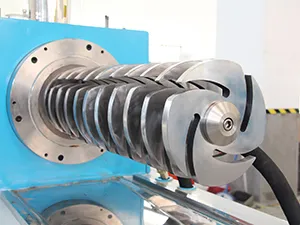 Alloy carbide discs
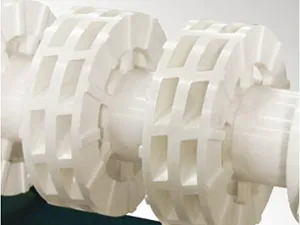 Ceramic discs
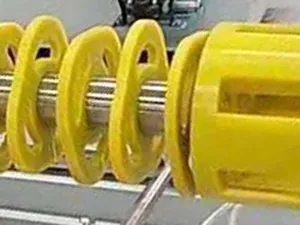 PU discs
Dynamic disc bead mills are suitable for wet grinding and dispersion of low- to high-viscosity liquids, slurries, pastes, and powder-liquid formulations that require fine particle reduction and stable dispersion.
 Paints and Coatings
 Leather Coatings
 Inks
Inks Pesticides and Fertilizers
 Viscous Materials
 Cosmetics
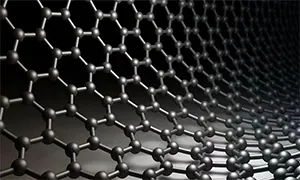 Chemicals
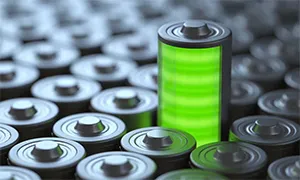 New Materials
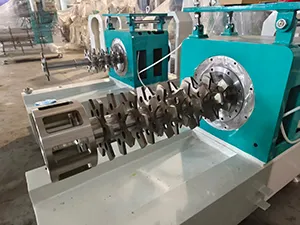
- The gap between the grinding disc and the stator can be adjusted during operation or shutdown, which allows operators to control grinding strength and final fineness according to different materials and process stages.
- Fast disc rotation keeps more grinding energy in the working area, which helps the bead mill handle a higher processing load and grind more efficiently.
- An efficient chamber cooling system, such as a double-helix jacket, helps control temperature rise during grinding. Shorter material residence time also helps protect heat-sensitive materials.
- Specially designed disc teeth and channels help medium- to high-viscosity slurries move through the grinding chamber more smoothly, reducing blockage risk during processing.
- The grinding chamber lining and discs can be made with wear-resistant materials such as tungsten carbide and ceramic alloys, helping reduce wear and lower the risk of product contamination.
The inverter allows the grinding speed to be adjusted according to the material and process requirements, helping control grinding intensity while reducing unnecessary energy use.

Controlled temperature during grinding helps protect the material, keep dispersion quality consistent, and improve color strength, transparency, and pigment use in inks, coatings, color pastes, and other pigment-based products.
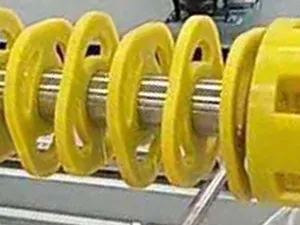
The grinding chamber and discs can be made with different materials to match the product being processed, such as silicon carbide, tungsten carbide, zirconia, polyurethane, or high wear-resistant alloy steel.
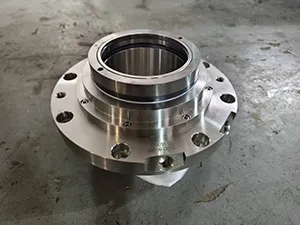
The bead mill uses a double mechanical seal with an integrated self-circulation structure to reduce leakage risk and make maintenance more convenient. FFKM sealing rings, such as DuPont Kalrez, can be selected for better solvent resistance. Mechanical seal coolant should be compatible with the processed material, with options such as ethylene glycol (EG), isopropanol (IPA), ethyl acetate (EAC), or butyl acetate (BAC), depending on the formulation.
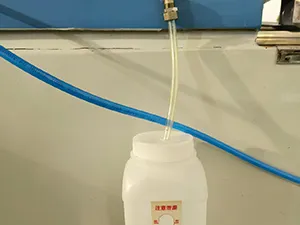
Equipped with a small collection tank at the bottom of the bead mill receives any liquid leakage from the mechanical seal area, making it easier to check the seal condition and take preventive action when needed.
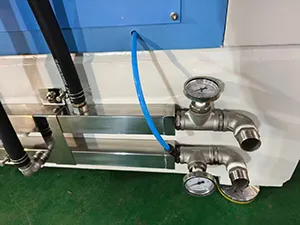
The cooling water inlet and outlet are fitted with meters, making it easier to monitor temperature during production and keep the grinding process stable.
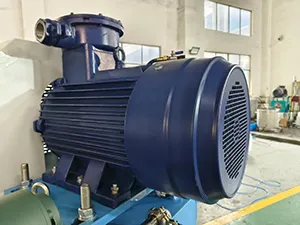
Depending on the project requirements, the bead mill can be equipped with motors from Jiangsu Dazhong, Siemens, ABB, or other suitable brands, including explosion-proof options with CE or ATEX certification when needed.
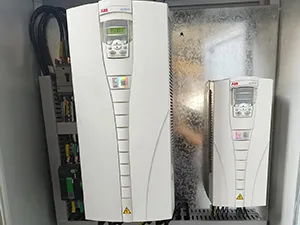
Siemens or ABB inverters and Schneider Electric components can be used to support stable speed control and smoother operation during grinding and dispersion.